
Cataract Surgery in Brooklyn, NY
Dr. Fell and Dr. Brookner of Brighton Eye Associates are highly trained, board-certified ophthalmologists with extensive experience in diagnosing and treating all eye disorders. They are happy to answer your questions about cataract symptoms, treatment, and surgery.
What is a Cataract?
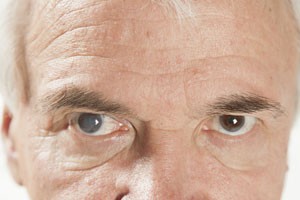 A cataract is just the natural lens in a human eye that has become “dirty”. Just as in a camera, the human lens helps us focus on objects near and far. The lens must be clear to work well, but as you age, it gradually becomes cloudy. When the lens becomes cloudy, it is called a cataract.
The word cataract comes from an old Latin word for waterfall. Waterfalls produce a heavy mist that can blur your vision. Cataracts have the same effect—blurry vision. Looking through a cataract is like looking through a dirty window—everything is blurred.
Most people will develop at least mild cataracts as they age. Early on, the cataract process not only makes your lens cloudy, but it also makes your lens swell. When your lens grows in size, you become a bit more near-sighted. So, in the early stages of cataract development, simply changing your eyeglass prescription can restore your sight. However, as you continue to age, the cataract gets cloudier and eventually will need to be removed in order to restore your vision.
What are the Symptoms of Cataracts?

Symptoms of cataracts include:
- blurred vision
- glare
- difficulty reading, requiring more light or needing to move reading material frequently at different arm’s length
- difficulty driving at night
- difficulty seeing in different light conditions and
- double vision in one eye.
If you are suffering from one or more of these symptoms, you may have cataracts. However, some patients with cataracts do not have any symptoms.
Do Cataracts Always Require Surgery?
Not all cataracts must be operated on immediately. Cataract surgery is usually an elective operation. It is a very personal decision determined by the patient’s needs. Patients should discuss their lifestyle with their ophthalmologist and evaluate whether cataract surgery can improve the quality of their lives. There is currently no medicine to prevent the development of cataracts; however, patients should wear UV protected sunglasses when out in sunlight.
How is Cataract Surgery Performed by the Surgeons at Brighton Eye?
Cataract surgery is the most common surgical procedure performed on adults in the United States. The procedure is performed on an outpatient basis generally, takes 15 to 30 minutes with a recovery time which is immediate to only a few days.
Cataract surgery is a two-step procedure. First, the surgeon removes your cloudy lens, and then a new lens implant is inserted into your eye. The cloudy lens is removed with an instrument that enters your eye through a small incision—usually one-eighth of an inch or smaller—and gently breaks the cataract into tiny pieces that are then removed from the eye with a miniature vacuum cleaner. This process is called phacoemulsification. Dr. Fell also uses a laser in some cases to aid in the removal process. This laser (femtolaser-assisted cataract surgery) aids in making many of the steps during the cataract surgery more precise. The laser assists in softening the cataract thus less energy is needed to remove the cataract.
Once the cataract is removed, you will need a new lens in order to focus your vision after surgery. These artificial lens implants are made of plastic-like materials and come in many different strengths, like glasses or contacts. Before your cataract operation, your doctor will perform several measurements to determine the appropriate lens implant strength for your eye. This implant is placed in the eye and usually, never needs to be removed.
After installing the new lens, the operation is over. Some people’s vision improves immediately or within a day or two after the surgery, but it is not abnormal or worrisome if your vision seems blurry for a few weeks after surgery as your eye heals. Your doctor will prescribe some eye drops for the recovery period, and if you need new glasses after surgery, these will be prescribed for you once your eye is completely healed, usually about a month after cataract surgery.
While most insurance plans cover the major cost of cataract surgery, none of the plans cover these specialty lenses or the use of the femtolaser to assist in the cataract procedure.
SOME COMMON QUESTIONS ASKED BY PATIENTS UNDERGOING CATARACT SURGERY
Will I Need Glasses After Cataract Surgery?
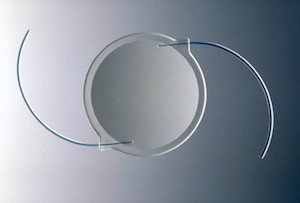 Whether or not a patient will need glasses after cataract surgery depends on the individual and his or her pre-operative eye condition. Patients with astigmatism may need glasses for distance, or they may opt for a Premium Toric Lens to correct the astigmatism. Most patients require reading glasses; however, some patients benefit from the new Presbyopic Lenses, which make them less dependent on reading glasses and allow them to be relatively glasses-free. A complete discussion with your ophthalmologist is necessary in order to determine what’s best for you.
Is laser-assisted cataract surgery better than manual cataract surgery?
In most cases, the result of cataract surgery whether it is performed manually or with a laser is the same. There are however situations when the laser significantly aids in the removal of the cataract. This is in the case of a very dense, advanced cataract. The laser often softens the cataract and thus enables the surgeon to remove it using less energy.
Patients with Fuchs Corneal Dystrophy also benefit for laser-assisted cataract surgery as less energy is used to remove the cataract and thus less damage to the cornea occurs.
Patients with Pseudoexfoliation often benefit from laser-assisted cataract surgery as there is less surgical trauma to the delicate fibers called zonules holding the cataract in place and thus less chance of complications causing damage to these zonules.
Patients with a small amount of astigmatism will also benefit from laser-assisted cataract surgery as the laser can be used to shape the cornea in order to eliminate this astigmatism.
There is a fee for use of the laser in cataract surgery as this advanced technology is never covered by insurance.
Will My Cataract Grow Back?
Cataracts cannot grow back. At the time of cataract surgery, a thin membrane, which is part of the original lens of the eye is left in place in order to provide support for the new implant. This membrane can lose its transparency thus making your vision blurry like the cataract did. This is not uncommon—it happens to roughly 40 percent of patients who have had cataract surgery. If it happens to you, a quick and simple procedure called YAG Laser Capsulotomy can be performed in the office to create a hole in the membrane for you to see through. This laser procedure is covered by insurance.
Visit our resources page for more information about cataracts. To learn about our doctors and accepted insurance, contact us at 718-339-6868.